How Can We See Wonder Around Us?

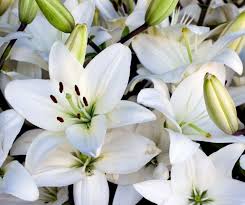
Consider the lilies of the field. They toil not, neither do they spin. Yet I say unto you that even Solomon in all his glory was not arrayed like one of these.

Luke 12:27

Stopping & Paying Attention

When we hear words like these we may think: what a wonderful insight! I wish I could be wise like that.

But the truth is that, to see the glory of the field lilies, all that’s required is that we stop and pay attention to a lily — to just one lily. The wonder is that this can be done every day by every one of us.


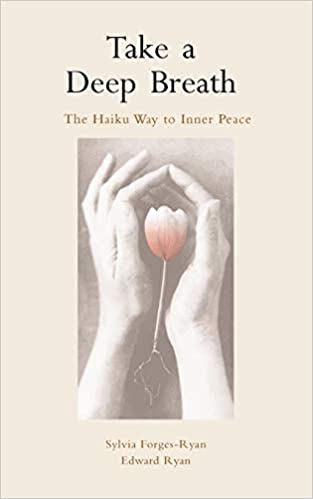
Take a Deep Breath: The Haiku Way to Inner Peace
Sylvia Forges-Ryan and Edward Ryan
What Are Self-Compassion Skills?

Self-Compassion Skills

  • Self-awareness
    Ability to observe what we are experiencing (also known as mindfulness).
  • Self-empathy
    Ability to relate to ourselves with understanding.
  • Acceptance
    Ability to be present with painful feelings.
  • Kindness
    Ability to respond to ourselves with emotional warmth and caring.
  • Wise self-care
    Ability to act in ways that promote our long-term well-being and happiness.

The Difficult Thing of Being Human
Bodipaksa

What Was The Pax Romana?

Stability of Roman Rule

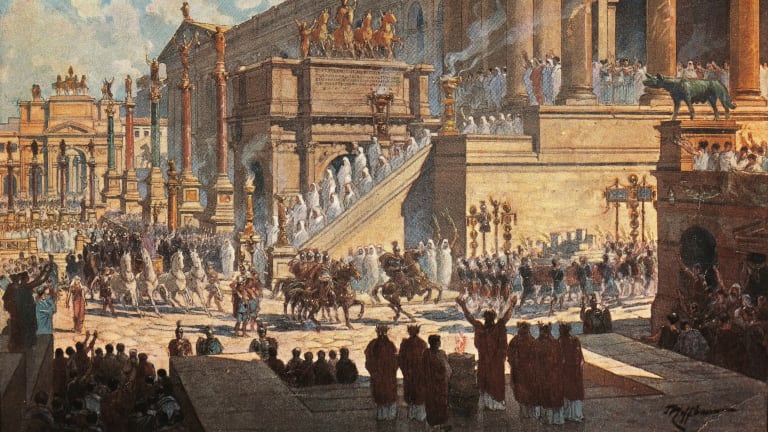
The political stability of Roman rule – called the Pax Romana (“Roman peace”) – meant that people from all over the empire could move about with relative ease. Larger cities, like Rome itself, became cosmopolitan mixes with many immigrants jostling together. Such cities were not much different from London, New York, or Hong Kong today.

Interplay of Cultures

Wherever people went, they carried aspects of their native culture with them – language, traditions, and religion. Hence, the vibrant social mix of Roman cities invited the interplay of these different cultures, even though Rome encouraged its subject peoples to become more “Roman” in thought and values.


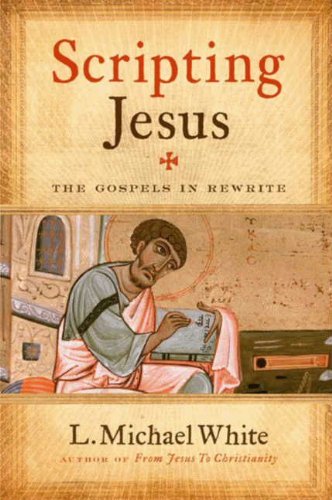
Scripting Jesus: The Gospels in Rewrite
Michael L. White

How Do We Divinize Human Attributes?

Divinizing Human Attributes

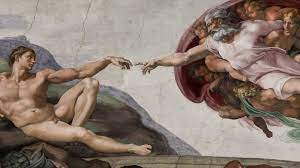
When we endow God with human attributes, we essentially divinize those attributes, so that everything good or bad about our religions is merely a reflection of everything that is good or bad about us. Our desires become God’s desires, but without boundaries. Our actions become God’s actions, but without consequence.

Fashioning Our Religions & Cultures

We create a superhuman being endowed with human traits, but without human limitations. We fashion our religions and cultures, our societies and governments, according to our own human urges, all the while convincing ourselves that those urges are God’s.


God: A Human History
Reza Aslan

Pleasure vs. Happiness

Pleasure is Circumstantial

Pleasure is something that we derive from an object, a place, or people. It is, by definition, circumstantial. We may get pleasure from dining in a particular restaurant or wearing elegant new clothes. But, take us to that restaurant after we’ve just eaten a large meal, or put us in our stylish attire during an argument with our significant other, and chances are we will experience no pleasure at all.

Happiness is Deep Fulfillment

If pleasure is circumstantial enjoyment, happiness refers to a deeper sense of fulfillment not dependent on circumstances, which is usually accompanied by qualities such as peacefulness, purposefulness, and benevolence. Unlike pleasure, which requires situations to be constantly renewed or upgraded, happiness is a state of mind that deepens the more we experience it.

Enlightenment to Go
David Michie