Pleasure vs. Happiness

Pleasure is Circumstantial

Pleasure is something that we derive from an object, a place, or people. It is, by definition, circumstantial. We may get pleasure from dining in a particular restaurant or wearing elegant new clothes. But, take us to that restaurant after we’ve just eaten a large meal, or put us in our stylish attire during an argument with our significant other, and chances are we will experience no pleasure at all.

Happiness is Deep Fulfillment

If pleasure is circumstantial enjoyment, happiness refers to a deeper sense of fulfillment not dependent on circumstances, which is usually accompanied by qualities such as peacefulness, purposefulness, and benevolence. Unlike pleasure, which requires situations to be constantly renewed or upgraded, happiness is a state of mind that deepens the more we experience it.

Enlightenment to Go
David Michie

Beethoven & The Bhagavad Gita

Beethoven’s Inner Conflicts

Ludwig van Beethoven ( 1770-1827 ) was a musical genius. He was also an emotionally wounded, profoundly neurotic person. He was tortured by inner conflicts throughout his life. He suffered from inner divisions, split between his massive idealism about human nature and the misanthropic, angry, spiteful man he could be. He was tortured by his own behavior. He was suicidal off and on for significant periods of time throughout his life. And, even in his most stable periods, he could appear to be just on the brink of madness.

Bhagavad Gita Influence

In search for psychological and spiritual survival, Beethoven combed the world’s great literature. In the process, he discovered the Bhagavad Gita. He read it intensely. He made notes from it — and from other Hindu scriptures — and kept the sacred passages in plain view under glass on his desk.

Beethoven scribbled the following quote from the Bhagavad Gita into his personal diary:

Blessed is the man  who, having subdued all his passions, performs with his active faculties all the functions of life, unconcerned about the event... Be not one whose motive for action is the hope of reward. Perform your duty, abandon all thought of consequence, and make the event equal, whether it terminates in good or evil; for such an equality is called yoga.  

In his quest to make meaning of his suffering, Beethoven enacted in his life virtually all the key teachings of the Bhagavad Gita.


The Great Work of Your Life
Stephen Cope


Why Is Our Identity Important?

Totality of “Me”

Identity refers to the totality of what we recognize as “me.” It is one of the most defining aspects of our personal psychology and social orientation, and it’s studied widely by psychologists, sociologists, and anthropologists.

Our Story & Experiences

  • Identity is the story that we tell ourselves and others about who and what we are.
  • Identity holds all of our important experiences — it links our past to our future and connects us to our people and ancestors, to their triumphs and struggles. Identity has many different dimensions, including personal, cultural, national, and gender.
  • Identity provides stability to our life through its set of orienting beliefs and ideas, collection of memories and stories, roles and expectations, as well as positive and negative experiences.

Compassionate Conversations
Diane Musho Hamilton, Gabriel Menegale Wilson, Kimberly Myosai Loh

What Is Wise Speech Rooted In?

Wise Speech

Ethics and Spirituality

Wise speech is both an ethical and spiritual exploration. Committing ourselves to wise speech, we learn to listen inwardly to the words beneath the words. Attentive to the feelings, intentions, and thoughts beneath our words, we learn to cultivate the compassion, integrity, and kindness that bring harmony to our relationships and to our own mind.

Compassion and Integrity

Wise speech is rooted in compassion and integrity. It protects the people we speak to and protects our own heart from guilt and remorse. In learning to listen both outwardly and inwardly before we speak, we begin to appreciate the strength and fragility of the human heart.

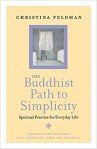
Buddhist Path to Simplicity
The Buddhist Path to Simplicity

Christina Feldman