How Are Rituals & Learning Related?

Rituals & Learning

When we pay someone to teach us anything, we will be taught a set of rituals commensurate with the skills we want to learn. In the secular sphere these rituals are called techniques, but it doesn’t matter whether they’re called techniques or rituals — the end results are the same. The repetition of the components of the desired skill over the course of time allows us to balance all of the elements in an unself-conscious way.


Listen to the Desert
Gregory Mayers

Discovering The Hidden Reality Within

Hidden Reality

We may imagine mysticism or contemplation to be the privilege of monks and mystics, saints and prophets, and of the cloistered, but we are all made for contemplation. It is the secret longing of our being. And, because this is so, each and every person contains the seed consciousness and the archetypical reality of its hidden ways. It is in the silent and subtle aspect of our self that a mystical path was imprinted. It is in the wilderness of our heart that we discover a reality beyond every religious form.


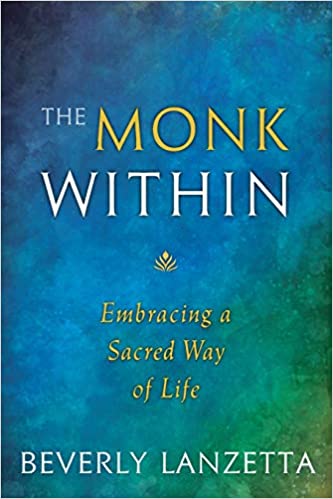
The Monk Within: Embracing a Sacred Way of Life
Beverly Lanzetta

What Is Zuowang Meditation?

Zuowang is allowing everything to slip from the mind, not dwelling on thoughts, allowing them to come and go, simply being at rest… Just remain empty and there is no separation from Dao… Do not think too much about the theory of this, otherwise you are sure to disturb the mind. It is like the sun rising in the east and setting in the west. To think about stopping it halfway is a futile exercise. Just trust the inherent natural process.

 “An Interview with Liu Xingdi”
The Dragon’s Mouth
Jing Shi

How Can We Be More In The Moment?

Keys for Being More in the Moment

  • Start small and make it a regular practice.
    Build new, helpful habits through repetition over time.
  • Make a change in your routine.
    By making small changes to our routine, we naturally notice things more.
  • Simplify your life.
    We can make positive improvements in our life by cutting out things, even if it means doing less or doing only one thing at a time.
  • Practice deep breathing.
    We can reduce, and perhaps alleviate, stress and and anxiety by regulating our breathing.
  • Cultivate idleness.
    There’s a fine line between idleness and boredom. Sometimes, the best use of time is to “waste” a bit of it, which can reset our thoughts and actions.
  • Savor what you’re doing.
    Make an effort to enjoy whatever you’re doing.
  • Focus more on the process than the purpose.
    This is especially helpful when it comes to repetitive, mundane tasks like cooking and gardening.

The Secret to Everything: How to Live More and Suffer Less
Neel Burton