How Did Ancient Religions Honor Life Cycles?

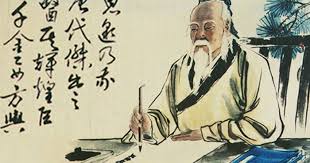
Lao Tzu
Lao Tzu (6th century BCE)


Ancient Religions and Natural Cycles

Ancient religions have always taught reverence for life and respect for the natural cycles: the ebb and flow, winter and spring, yin and yang that comprise all existence.

Examples of Natural Cycles

  • Egyptian mystery cults equated cycles of life with the myth of Isis and Osiris and the annual fluctuations of the Nile.
  • Druids celebrated the changing seasons, lighting bonfires in the darkness of winter, and affirming the return of spring with the fires of Beltane (May Day Celebration).
  • Native Americans had ritual celebrations of the seasons and held hunting grounds sacred, offering prayers before taking any animal life.

Tao Te Ching and Nature

The Tao Te Ching (6th century BCE) teaches that all life is process. Like all living systems, we and our world are continuously evolving. Lao Tzu’s essential lesson is that we can gain greater power, peace, joy, and inspiration by following the principles of nature. 
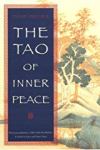

The Tao of Inner Peace

Diane Dreher

Mindfulness & Meditation

Meditation and Mindfulness
.
What is Mindfulness?

Mindfulness is paying attention to the present moment deliberately and non-judgmentally.

What is Meditation?

Meditation is the practice of mindfulness in relation to a specific object over a sustained period of time.

When we meditate, we choose an object of meditation and try to stick to it. The object could be physical, such as a candle or statue, or commonly it’s a specific aspect of breathing. Or, the object could be a particular visualization, mantra, or even mind itself.

How Do Mindfulness & Meditation Relate?

The regular practice of meditation supports our development of mindfulness. Improved concentration is one significant way meditation enhances our practice of mindfulness.

When we train ourselves to pay attention to just one thing during meditation, we’re developing a highly transferable skill. We’re also getting better at paying attention to the person sitting across the table from us, eating a meal more mindfully, or enjoying the sun on our backs as we walk across the park on a warm summer’s day.

Mindfulness is Better Than Chocolate
Mindfulness Is Better Than Chocolate: A Practical Guide to Enhanced Focus and Lasting Happiness in a World of Distractions
David Michie


Sacred Messages & The Written Word

Sacred Writing

Messages from God

The importance of the written word can be seen in the number of religions that have sacred texts, and in how often it is claimed a god wrote those texts.

Examples of Ancient Writings

  • The Egyptians believed that the ibis-headed Thoth, the scribe of the gods, gave humanity the gift of writing.
  • The Assyrians believed it was the god Nabu who gave them the gift of writing.
  •  The Maya believed that Itzamna, the son of the creator, invented writing and books.

Sacred texts were distributed on a variety of writing materials prior to the invention of paper – and some, such as the Jewish Torah, are still preserved handwritten on animal skin.

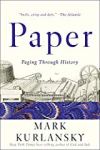
Paper: Paging Through History

Mark Kurlansky

Where Can We Find Our True Home?

Here and Now

Where We Are

Our true home is in the here and now. It isn’t limited by time, space, nationality, or race. Our true home isn’t an abstract idea – it’s something we can touch and live in every moment.

The Present Moment

With mindfulness and concentration we can find our true home in the full relaxation of our mind and body in the present moment.

Your True Home
Your True Home: Everyday Wisdom
Thich Nhat Hanh