

Life is like a bubble,
Beautiful & many-faceted,
Here briefly, yet wonderful…
Life is like a bubble,
Beautiful & many-faceted,
Here briefly, yet wonderful…

Adversity comes to us unbidden — it doesn’t matter whether or not we’re following a spiritual path. We have the choice of how we respond to adversity. Ann Landers summed it up in these words:
“If I were asked to give what I consider the single most useful bit of advice for all humanity, it would be this: expect trouble as an inevitable part of life, and when it comes, hold your head high, look it squarely in the eye and say, ‘I will be bigger than you, you cannot defeat me.'”
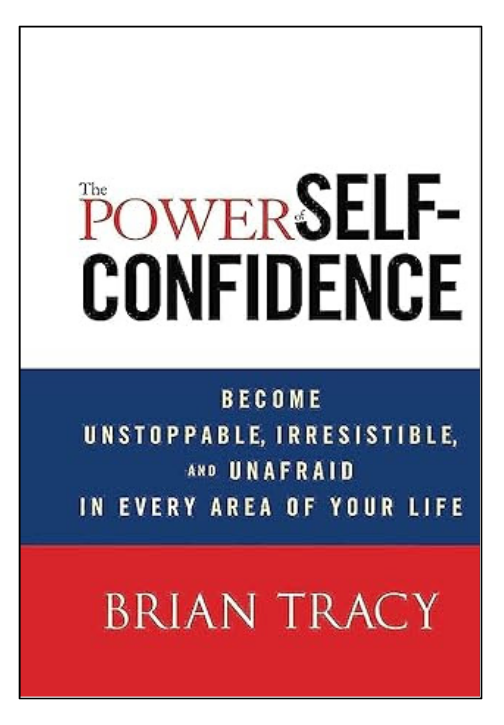
The Power of Self-Confidence
Brian Tracy
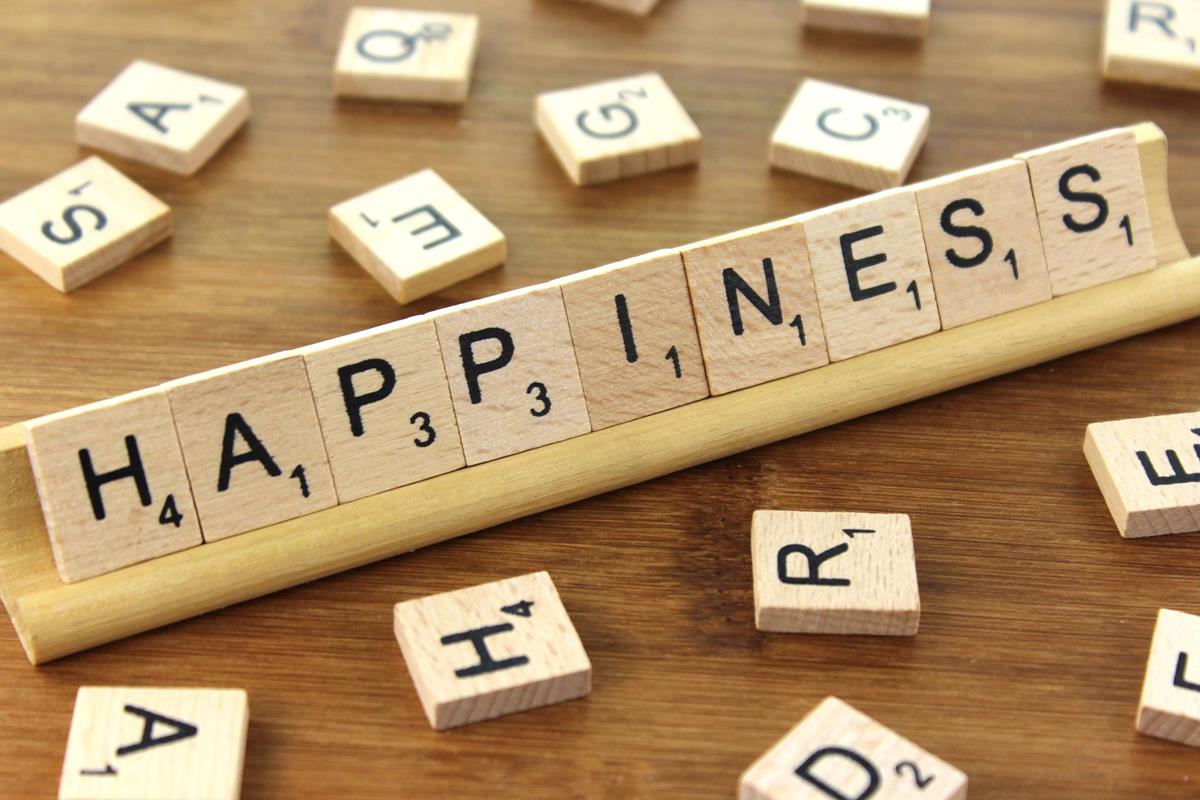
Happiness is a condition. It is not something that is achieved by pursuing it directly, but rather comes as a result of our engaging in purposeful activities.
Aristotle

If you don’t know here you’re going, any road will get you there.
Yogi Berra

There’s an old Native American story:
“On my shoulders are two wolves. One is a black wolf, evil, who continually tempts me to do and say the wrong things. On my other shoulder is a white wolf that continually encourages me to live up to my very best.”
A listener asked the man, “Which of these wolves has the greatest power over you?”
The old man replied, “The one I feed.”
The Power of Self-Discipline
Brian Tracy

 Who Knows Anyhow?