Are The Stories We Tell Reality?

Telling Stories

We are storytellers — that’s how we make sense of our lives and give them meaning. Stories are always an overlay, an interpretation of what is. They enable us to accomplish great things, but can also get us in trouble if we mistake the stories for reality.

Experiencing Reality

Reality can’t be pinned down in words, no matter how fine a story we spin — reality can only be experienced directly.


Meeting Your Mind
Carol Hyman

How Are Qigong & Chan Related?

Qigong, literally translated means energy (qi) work (gong). Qigong consists of sets of exercises that couple movement with deep breathing and focused mental concentration.

Practices of Qigong play a significant role in Daoist practice, but also Chinese Buddhist practice. While Chinese Buddhism is best known for meditation and Shaolin-style Kung Fu rather than Qigong and it’s the emphasis on internal energy work, Chan Buddhism has a rich history of Qigong. 

Bodhidharma is credited with initiating Chan with it’s blending of Indian (Theravadan) Buddhism with Daoism and Chinese culture.  Bodhidharma is said to have introduced a number of Qigong sets into Chan, and Chan continues to emphasize these Qi-based exercises as part of it’s authentic lineage and practice. 


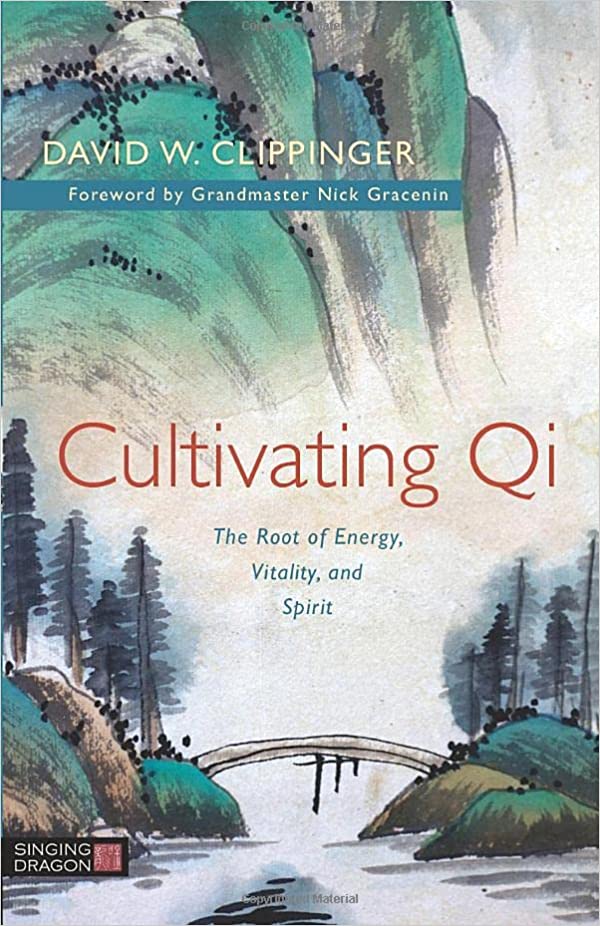
Cultivating Qi: The Root of Energy, Vitality, and Spirit
David Clippinger

Inner & Outer Transformation

Transformation

It is only by changing the way we treat others that we can hope to change the world and make it a kinder, more peaceful, compassionate, and hopeful place. We can help others by touching them with gentleness, kindness, and forgiveness. But before we can do that, first we must touch ourselves in this way. We need to begin our own inner transformation.

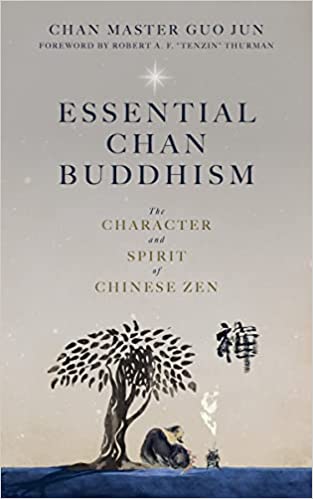
Chan Master Guo Jun


Essential Chan Buddhism
Chan Master Guo Jun